
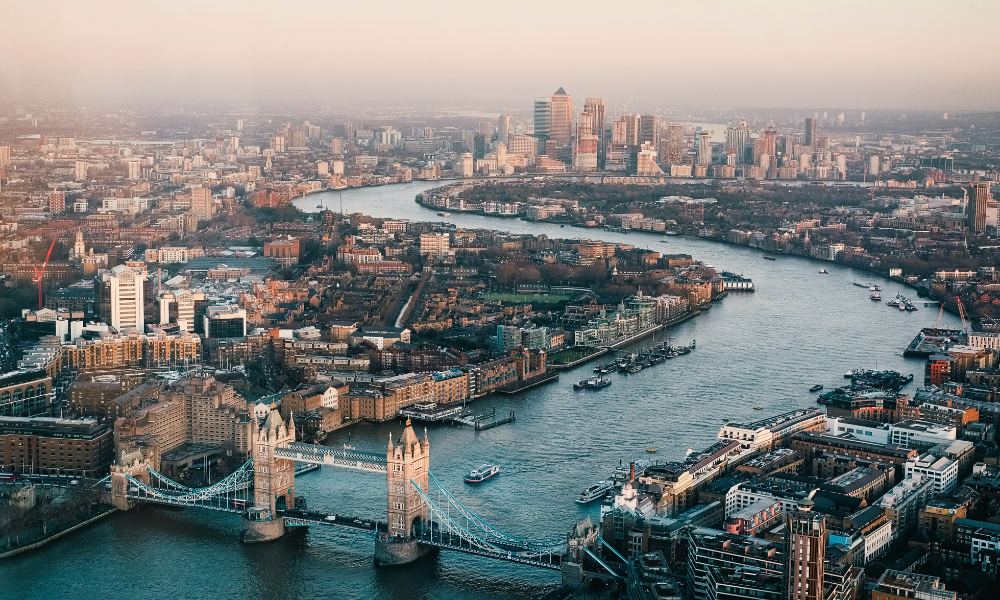
London demands attention, enchants, and reveals itself in layers — between royal palaces and leafy parks, iconic bridges and streets filled with history, tradition, and movement.
The British capital blends centuries of monarchy, art, and political power with striking modernity, cultural diversity, and a creative energy that keeps it forever current. Walking through London feels like crossing different eras within a few blocks: from the solemn chime of Big Ben to vibrant street markets, from grand museums to charming neighborhoods that seem designed to be admired and remembered.
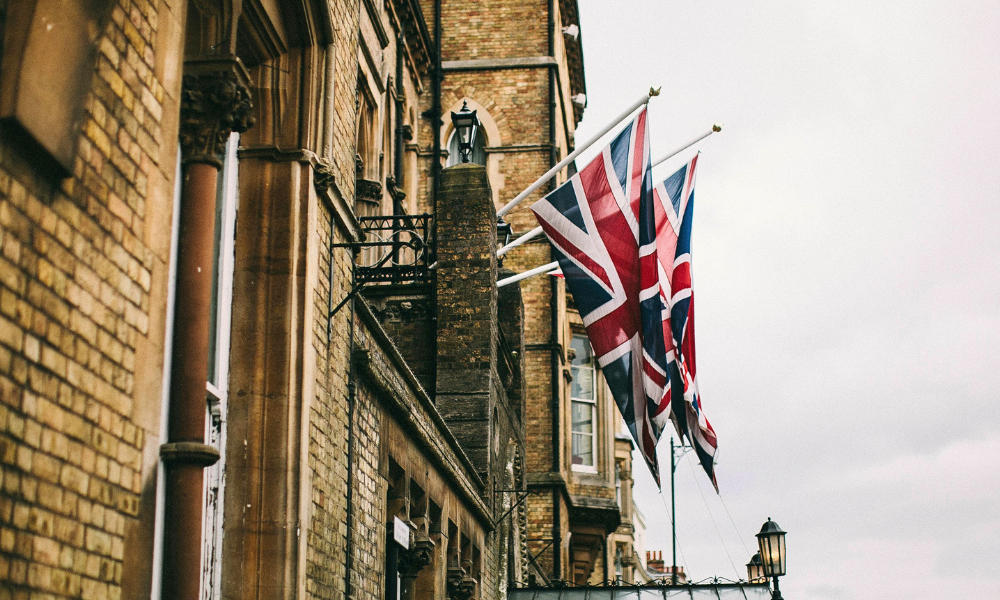
London it’s a city meant to be explored without rushing — absorbing every detail, whether you’re marvelling at imposing architecture, crossing the Thames at sunset, or getting pleasantly lost among cafés, bookstores, and eloquent parks.
In this guide, you’ll discover how to experience London in 4 days, balancing the city’s iconic landmarks with authentic experiences that reveal its true soul. A carefully designed itinerary for travelers who want to explore London deeply — with wonder, intention, and the feeling that something new is always waiting just around the corner.
Welcome to your first letter from London.
Discover the Magic of London: 10 Must-Visit Places for Harry Potter Fans
14 Must-Visit Beatles Spots in London + Liverpool: A Musical and Historical Journey
When to Visit London?
London’s personality changes throughout the year. Each season paints the city in a new light — from blooming spring parks to the golden glow of autumn and the magical sparkle of winter lights.
The best time to visit London depends on the experience you’re looking for: milder weather, fewer crowds, better prices, or seasonal cultural events. While London is known for its cloudy skies and occasional rain, travelers seeking longer, brighter days should consider visiting in summer, between June and August, when the city feels especially alive.
Below, you’ll find a clear seasonal breakdown to help you choose the perfect time for your London trip:
Spring (March to May): Temperatures range between 54°F and 72°F (12°C–22°C), and the city awakens in color as parks and gardens bloom. From late March to early April, you can often find lower hotel and flight prices, making spring an excellent option for travelers who want to balance comfort and savings.
If you’re looking to save money without sacrificing experience, spring offers pleasant weather and slightly quieter streets.
Summer (June to August): Summer brings long daylight hours and more sunshine, with average temperatures between 64°F and 77°F (18°C–25°C) — occasionally climbing above 86°F (30°C) during rare heatwaves. This is peak tourist season, so expect larger crowds at museums and higher accommodation prices. However, summer also means outdoor festivals, open-air concerts, lively street markets, and an especially vibrant nightlife scene. London feels energetic, social, and undeniably exciting.
Autumn (September to November) & Winter (December to February): In September, temperatures hover around 59°F to 68°F (15°C–20°C) before gradually cooling into November. The city takes on a romantic atmosphere, with golden leaves and soft light across its parks.
Winter temperatures typically range between 39°F and 46°F (4°C–8°C), occasionally dropping to freezing. Though cold and damp, London transforms into something magical with festive lights, Christmas markets, and cozy cafés. It’s ideal for travelers who love urban charm and holiday traditions — plus fewer tourists compared to summer.
How Many Days Do You Need in London?
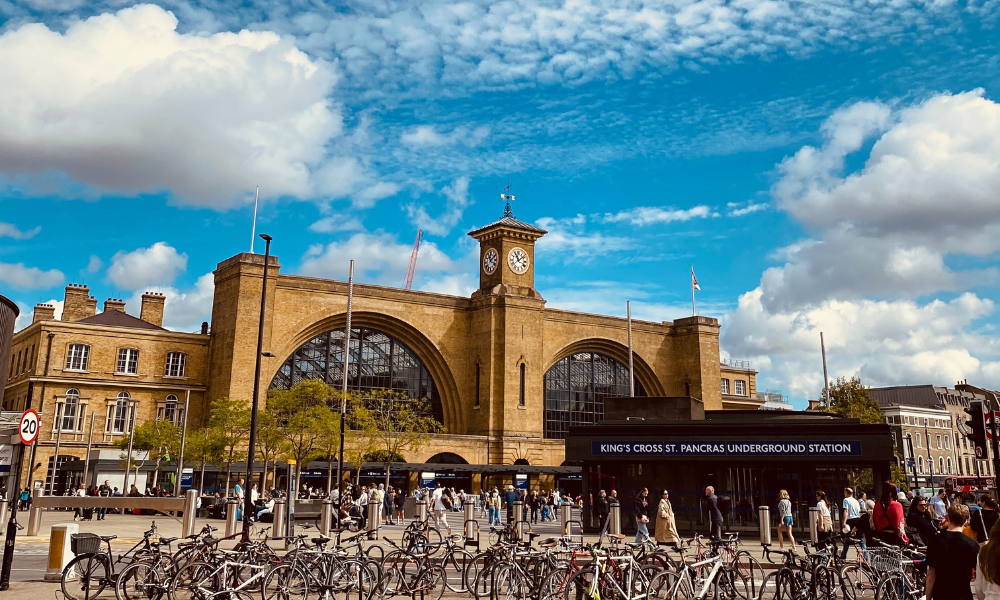
The question isn’t just how many days are enough — it’s how deeply you want to experience London.
If your time is limited, you can cover the main highlights in 3 days. You’ll see essentials like Big Ben, the Houses of Parliament, Westminster Abbey, the Tower of London, Tower Bridge, and Buckingham Palace — perhaps even one or two world-class museums. It’s a powerful first impression of England’s capital.
But London is more than pictures on a postcards.
For a balanced and immersive experience, 4 to 5 days in London is ideal. This gives you time to explore charming neighborhoods, cross the Millennium Bridge at sunset, browse Camden Market, wander through museums without rushing, and enjoy a musical in the West End.
If you can stay 7 days or more, London begins to feel familiar rather than simply impressive. You can take day trips to places like Windsor, Oxford, or Stonehenge, dive deeper into museums, discover hidden bookstores, explore lesser-known parks, and find cafés that intrigue and delight.
Where to Stay in London?
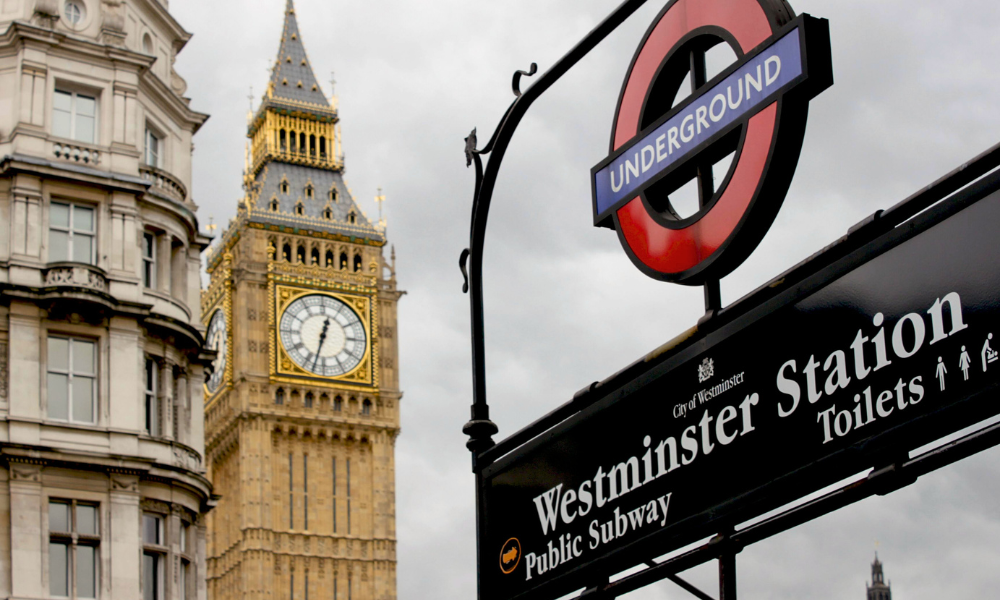
If convenience is your priority and you want to experience London at a relaxed pace, we recommend staying in Westminster or Covent Garden — our favorite areas. Staying here means saving time and money on transportation while being within walking distance of iconic landmarks like Big Ben, the Houses of Parliament, Buckingham Palace, Trafalgar Square, and the West End theaters.
Other charming neighborhoods worth considering:
- South Bank & Waterloo — Cultural, vibrant, and perfect for riverside walks with stunning views of the London Eye and St Paul’s Cathedral.
- Kensington & Chelsea — Elegant, safe, and close to Hyde Park and top museums like the Natural History Museum and the Victoria and Albert Museum.
- Notting Hill — Picturesque and full of personality, especially around the famous Portobello Road Market.
- King’s Cross — Modern, well-connected, and ideal for day trips to other English cities.
- Soho — Lively, central, and perfect for food lovers and nightlife enthusiasts.
- Islington — Charming and contemporary, blending elegant residential streets with a vibrant scene of cafés, bars, and theaters — ideal for travelers seeking a quieter stay with easy access to central London.
We personally use and recommend Booking.com. The platform is reliable, offers strong customer support, and in many cases provides free cancellation — perfect for travelers who value flexibility and peace of mind.
Unmissable Tours & Experiences in London
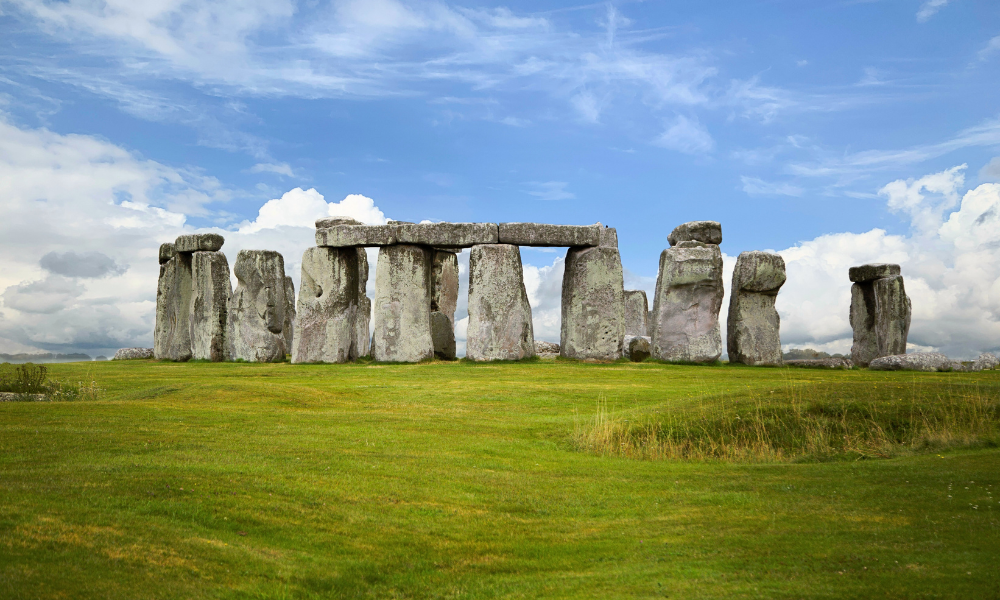
If you have a few extra days in London — or simply want to elevate your itinerary — these unique tours and experiences can completely transform your trip. From magic and royal history to mystery and family-friendly adventures, there’s something here for every kind of traveler.
Click the links below to check availability, read verified reviews, and secure your spot in advance:
- Harry Potter Walking Tour in London — Explore real filming locations across the city and experience the magic woven into London’s streets.
- Warner Bros. Studio Tour London – The Making of Harry Potter — Perfect for families and fans of the world’s most famous wizard. Step behind the scenes and explore the real film sets.
- Jack the Ripper Tour — A suspenseful evening walk through the historic East End, uncovering one of London’s darkest mysteries.
- Stonehenge Day Trip — Discover the mystery of this ancient monument without the stress of navigating public transport.
- Windsor Castle Day Trip — Experience royal life up close at one of the most famous castles in the world.
- Oxford Day Trip — Wander through England’s most iconic university city, surrounded by medieval architecture and cinematic history.
- Historic London Pub Tour — Visit some of the city’s oldest and most iconic pubs, filled with centuries of stories and tradition.
- River Thames Cruise — Choose between sightseeing cruises with audio commentary or a romantic evening dinner cruise for a completely different perspective of the city skyline.
A well-chosen tour doesn’t just fill your schedule — it creates the kind of moments you’ll remember long after you’ve left London.
What to Do in London in 4 Days?
Day 1 — London Reveals Its Origins
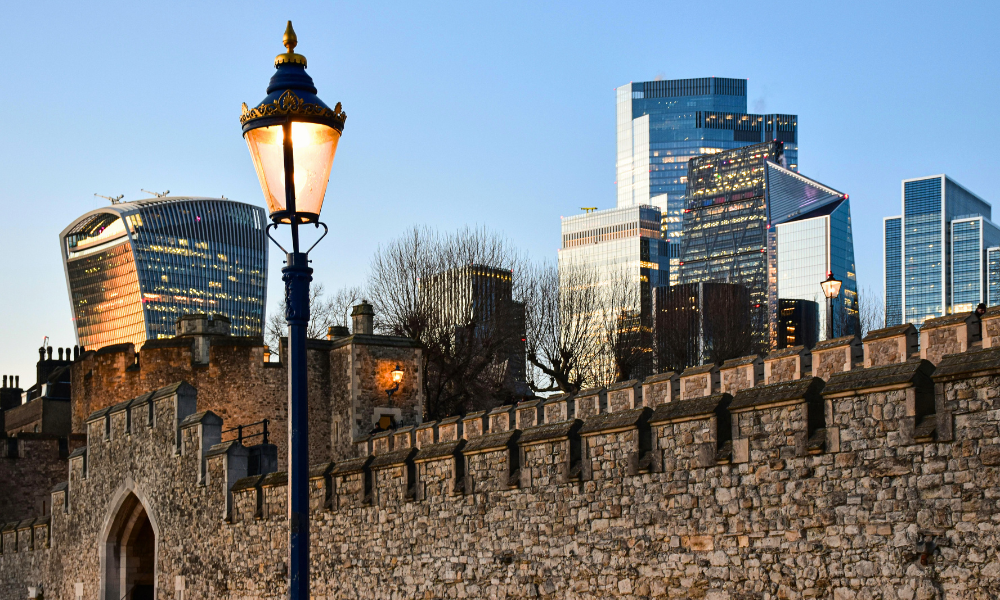
Your first day in London is not about rushing — it’s about roots. This is where the city begins to unfold as empire, legend, and modern power built upon medieval stone. Along the Thames, London tells its own story: of kings and armies, of fires and rebirth, of trade, theatre, and reinvention.
Today is about walking slowly. Looking up at towers that have witnessed centuries. Crossing bridges that connect past and future.
Today, you begin at the source.
Tower of London — Where Power Was Never Silent
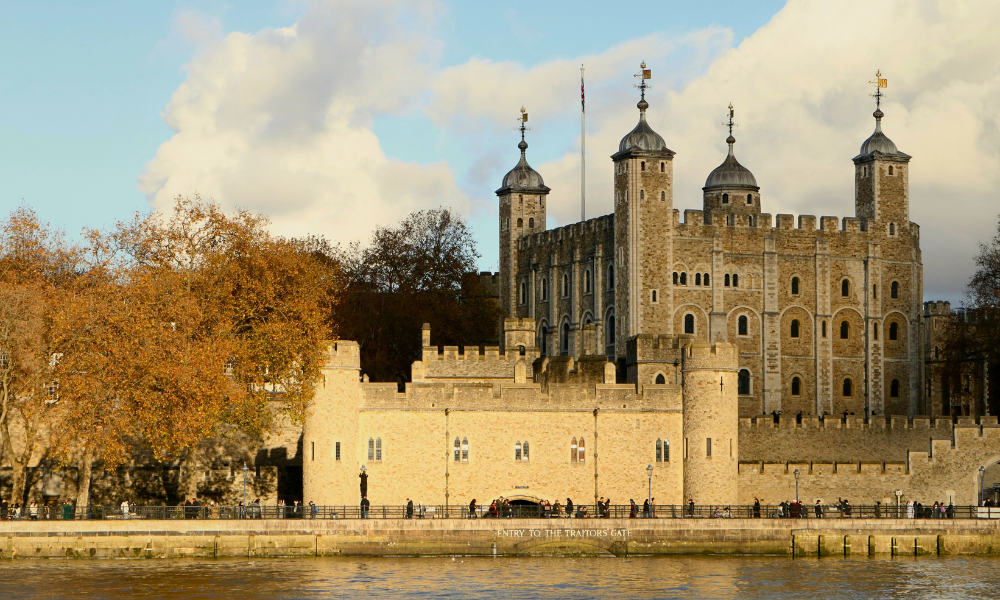
If there is one place that concentrates centuries of British drama, it is the Tower of London. Built in 1078 by William the Conqueror, it has served as fortress, royal palace, prison, and execution site — shaping the history of the monarchy.
Prisoners here included Anne Boleyn and Guy Fawkes. It is also home to the magnificent Crown Jewels, still used in official ceremonies today.
But perhaps the most intriguing detail of all is the ravens. According to legend, if they ever leave the Tower, the kingdom itself will fall. For that reason, at least six ravens are always kept on the grounds — officially protected, meticulously cared for, and considered silent guardians of the Crown.
Opening hours vary seasonally, but the Tower typically opens between 9:00 and 10:00 AM and closes around 4:30 PM.
To avoid long queues — especially from May to September —it’s highly recommended to secure your ticket in advance and arrive with confirmed entry [Click Here].
As you leave, take a deep breath. Just steps away stands one of the most iconic landmarks in the world.
Tower Bridge — The Bridge That Opens to the World
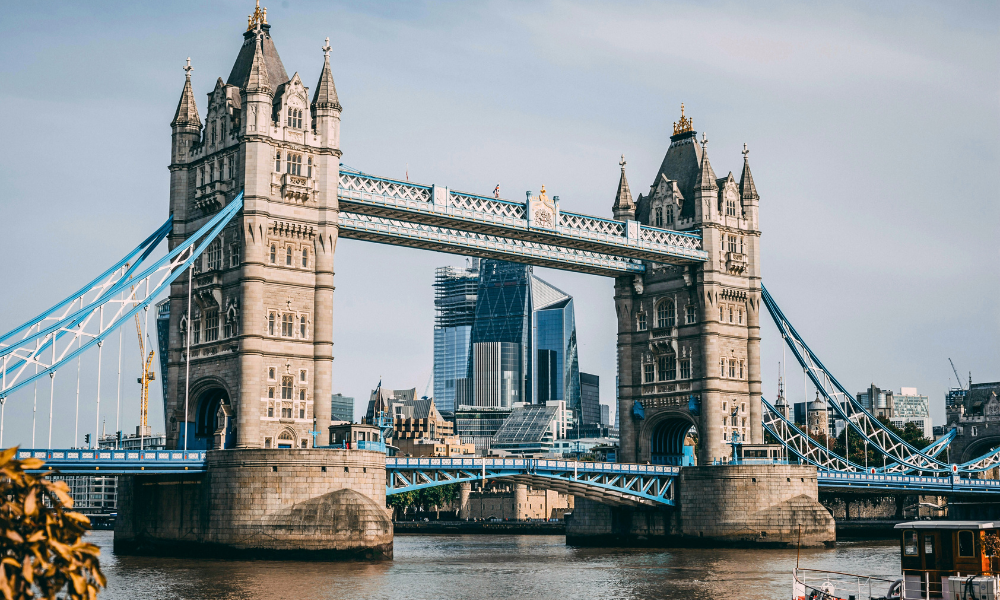
Inaugurated in 1894, Tower Bridge is not just a crossing — it’s a masterpiece of Victorian engineering. Contrary to popular belief, it is not London Bridge. It is grander, more ornate, and perhaps far more photogenic.
Its bascule system allows large vessels to pass beneath. If you’re lucky, you might see it slowly rise — a perfectly choreographed moment over the Thames.
Historical insight:
- When it opened in 1894, the bridge operated using an impressive steam-powered hydraulic system. Massive coal-driven engines pumped water to generate pressure, lifting the roadway in just minutes — a remarkable Victorian innovation.
- Today the mechanism is electric and modern, but the original engine rooms have been preserved and can be visited inside the bridge. Seeing those engines up close offers a fascinating glimpse into 19th-century engineering brilliance.
Even if you skip the exhibition, walk across. The view back toward the Tower of London is one of the most beautiful views in the city. The Tower Bridge Exhibition usually opens daily around 9:30 AM and closes at 6:00 PM, with last entry about one hour before closing. Check updated times before visiting.
After the bridge, we move toward an elegant and unexpected contrast.
Leadenhall Market — A Victorian Refuge in the Financial District
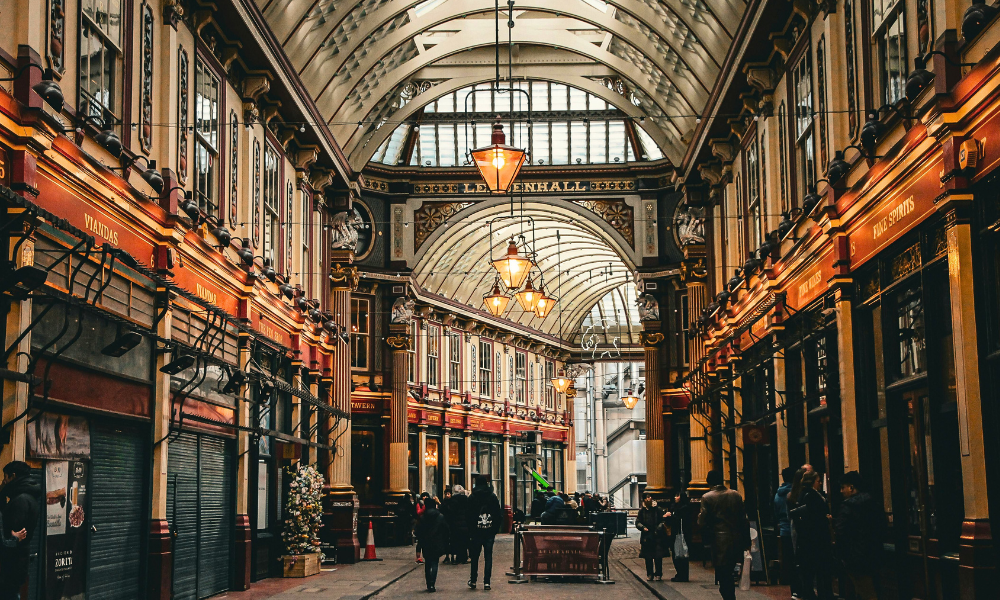
Surrounded by modern skyscrapers, a covered market appears as if lifted from a 19th-century novel. Leadenhall Market dates back to the 14th century, though its current ornate glass-and-iron structure was completed in 1881.
Today it houses restaurants, cafés, and boutique shops — perfect for a mid-morning break or relaxed lunch stop.
Fans of Harry Potter and the Philosopher’s Stone may recognize it as the filming location for Diagon Alley.
Suggestion: An excellent lunch stop before continuing your walk.
And then, slowly, the silhouette of the next landmark begins to dominate the horizon.
St Paul’s Cathedral — The Dome That Defied the Flames
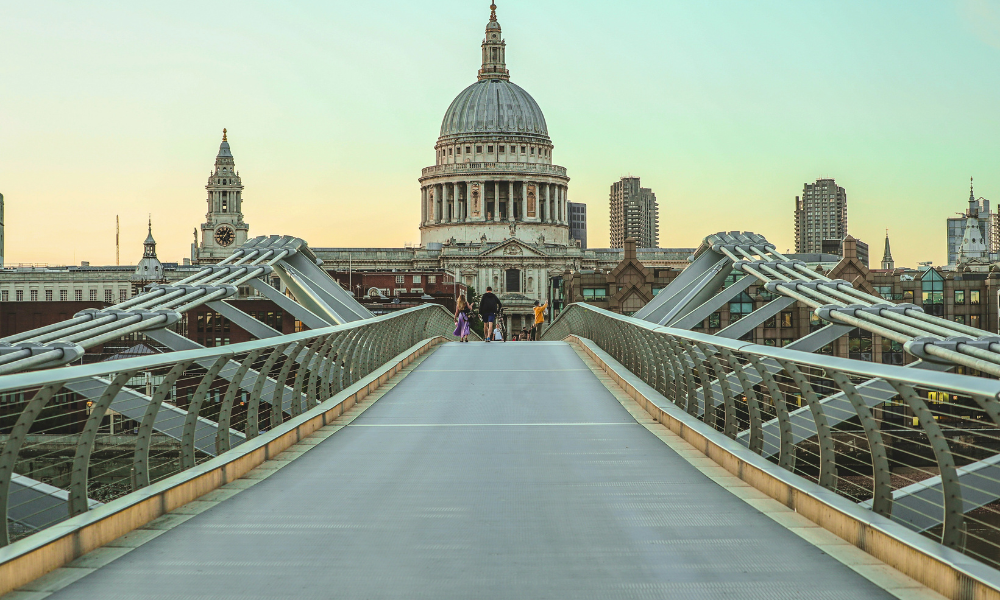
St Paul’s Cathedral is one of London’s most breathtaking landmarks. Designed by Christopher Wren after the Great Fire of 1666, it became a symbol of resilience during World War II when it remained standing despite heavy bombing.
Its dome is one of the largest in the world. Climbing its 528 steps is a small challenge rewarded with one of the finest views in London.
Inside, the Whispering Gallery fascinates visitors — a whisper at one side can be heard clearly on the other.
Historic moment:
- On July 29, 1981, the cathedral hosted the wedding of Charles III (then Prince Charles) and Diana Spencer. Watched by approximately 750 million people worldwide, the ceremony turned St Paul’s into the setting of a modern fairytale. Many visitors still picture Diana ascending the steps in her iconic gown.
The cathedral is typically open Monday to Saturday from around 8:30 AM to 4:30 PM (Sundays reserved for services). Verify current hours before visiting. Allow about 1.5 hours for a full visit.
St. Paul’s Cathedral is a must-see London landmark. Skip the lines and secure your visit — buy your ticket in advance here: [Click here].
As you exit, you’ll notice a sleek, minimalist bridge stretching across the river.
Millennium Bridge — Where Old Meets Contemporary
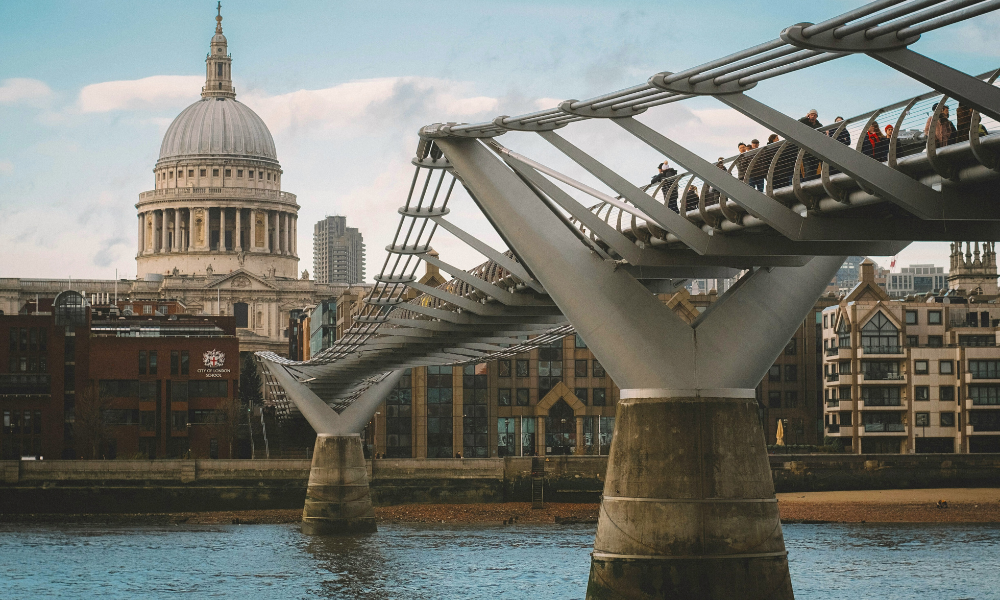
Opened in 2000 to celebrate the turn of the millennium, it quickly became famous for an unexpected reason: on its opening day, it began to sway noticeably under the movement of pedestrians. The unusual motion earned it the nickname “Wobbly Bridge.” It was soon closed, reinforced, and reopened two years later — stronger and steadier than ever.
The bridge connects St Paul’s Cathedral to the South Bank of the Thames, offering one of the most beautiful framed views of the cathedral’s dome.
Interesting fact:
- Beyond its fascinating engineering story, the Millennium Bridge gained cinematic fame in Harry Potter and the Half-Blood Prince, in a dramatic scene where Death Eaters attack London and destroy the bridge. Since then, many fans make a point of crossing it — if only to relive that unforgettable moment.
It’s here that London begins to reveal its most vibrant cultural side.
Tate Modern — Reinvention on the Thames
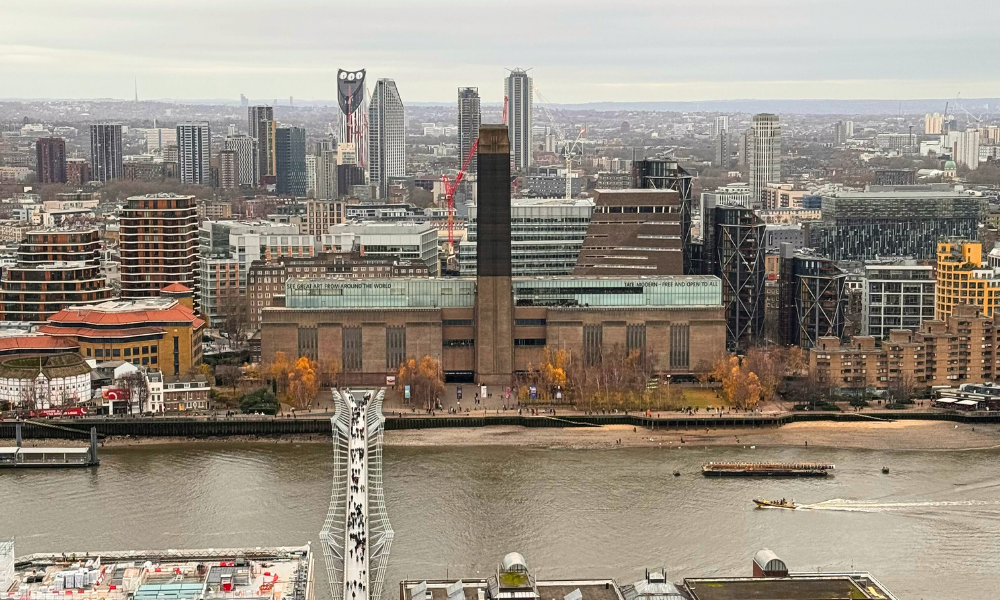
Few places in London embody the city’s remarkable ability to reinvent itself quite like the Tate Modern. The building that now houses one of the world’s most important contemporary art collections was once a power station — the former Bankside Power Station, constructed between 1947 and 1963.
For decades, this imposing brick structure along the Thames generated electricity for London. When it was decommissioned in the 1980s, many assumed it would be demolished. Instead, it was transformed through an ambitious project led by Swiss architects Herzog & de Meuron and reopened as a museum in 2000.
The result is extraordinary. The former turbine chamber — now known as the Turbine Hall — has become one of Europe’s most striking exhibition spaces. With its vast, cathedral-like scale, it has hosted monumental and provocative installations that have defined moments in contemporary art.
Admission to the permanent collection is free, reinforcing Britain’s commitment to making art accessible to everyone.
Beyond the galleries, head up to the viewing level (when open). From there, the panoramic view reveals the Thames winding through the city, with the dome of St Paul’s Cathedral perfectly framed across the Millennium Bridge — one of the most beautiful vistas in London.
Tate Modern is open daily from 10:00 AM to 6:00 PM, with extended evening hours on select days (such as Fridays and Saturdays).
This is the perfect moment to slow down. Sit by the river. Watch street musicians. Breathe.
And if you’d like to extend the experience…
Special Bonus — An Experience to Elevate Your Day: Shakespeare’s Globe
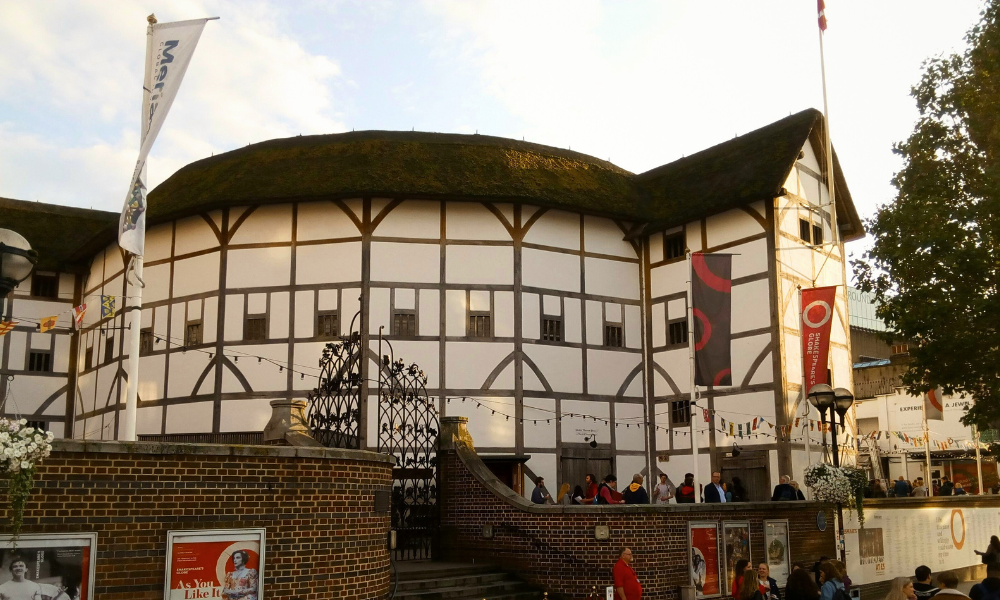
If you have extra time and love Shakespeare, just steps from Tate Modern you’ll find Shakespeare’s Globe — a meticulous reconstruction of the original 1599 theatre where many of William Shakespeare’s plays were first performed. The theatre was entirely rebuilt in 1997, using traditional techniques and materials, bringing the sights, sounds, and atmosphere of Elizabethan London back to life. You can join a guided tour to explore the stage, backstage areas, and exhibitions, or attend a live performance under the open sky, just as audiences did over 400 years ago.
Don’t miss the chance to step back in time and immerse yourself in history.
Day 2 – Westminster & South Bank
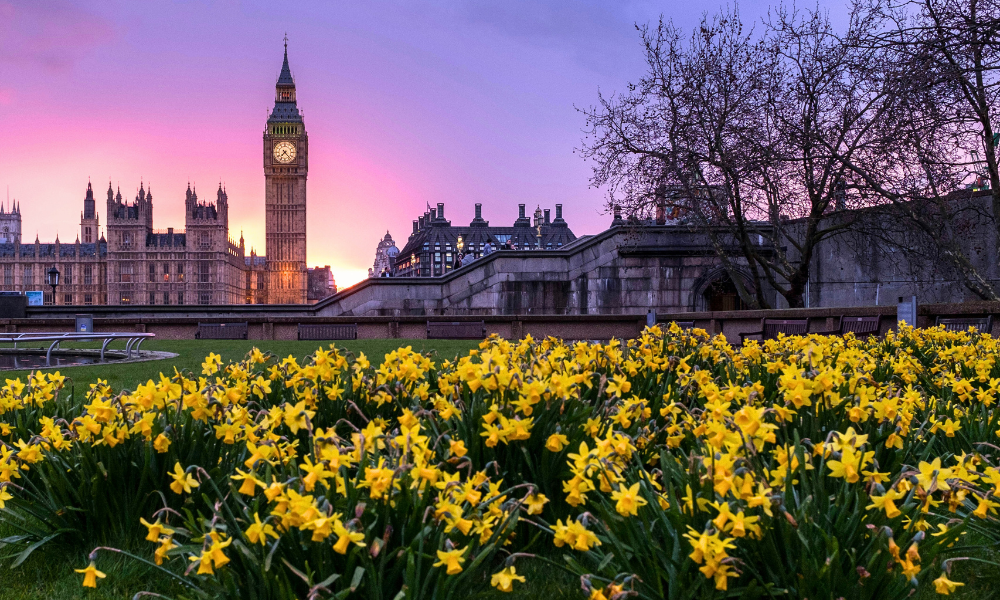
Your second day in London dives into the heart of British power and tradition. Among majestic churches, iconic towers, and royal palaces, you’ll feel the city breathing history. This is a day to walk slowly, admire architectural details, and watch everyday London life unfold beside centuries of grandeur.
Westminster Abbey — History in Every Stone
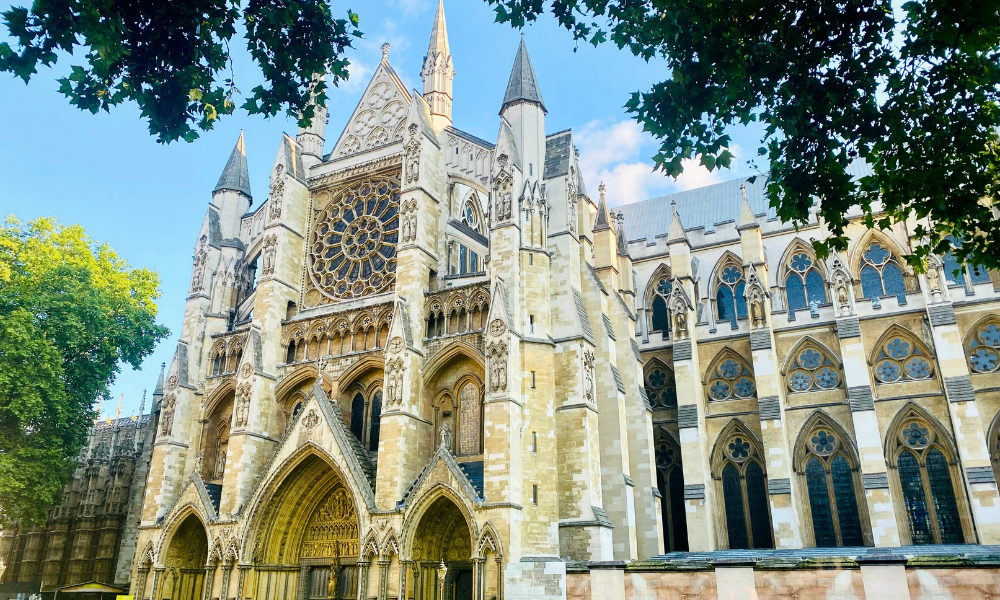
Westminster Abbey is one of London’s most important symbols. Originally built in the 10th century, the current Gothic structure dates largely from the 13th century. Over time, it became the stage for royal ceremonies, including coronations since William the Conqueror in 1066, and weddings such as Prince William and Catherine Middleton in 2011.
Fascinating facts:
- More than 3,000 historical figures are buried or commemorated here, including writers, scientists, and monarchs such as William Shakespeare, Isaac Newton, and Charles Darwin.
Opening hours are typically Monday to Friday from 9:30 AM to 3:30 PM, and Saturdays from 9:00 AM to 3:30 PM (closed to tourists on Sundays).
Big Ben & The Palace of Westminster — The Sound of British Power
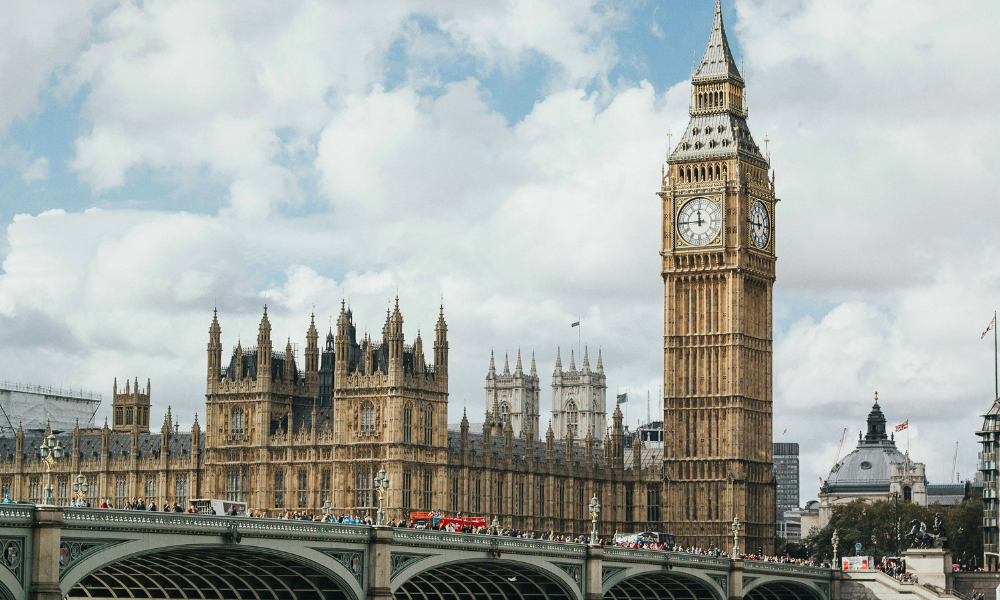
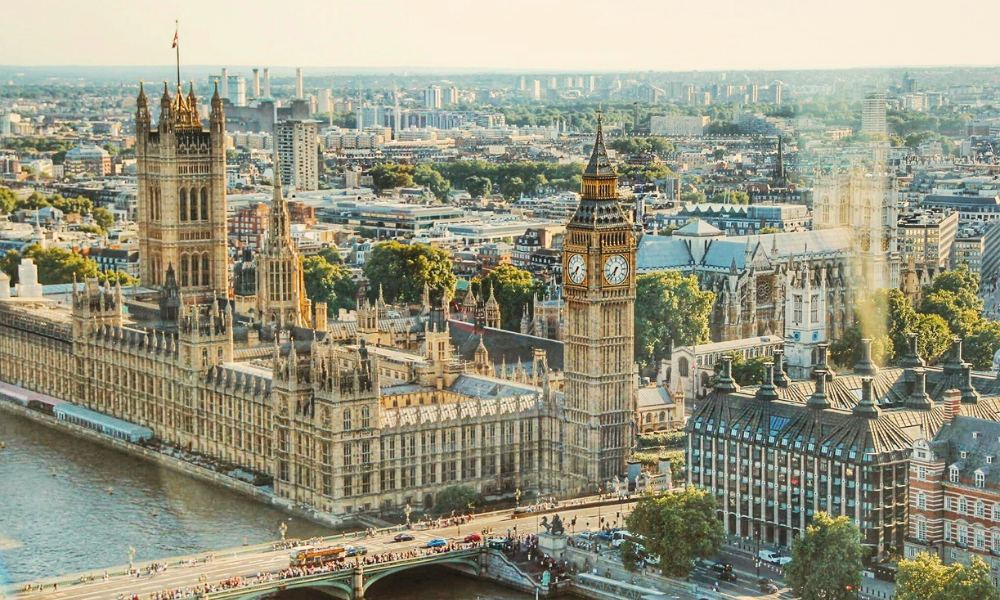
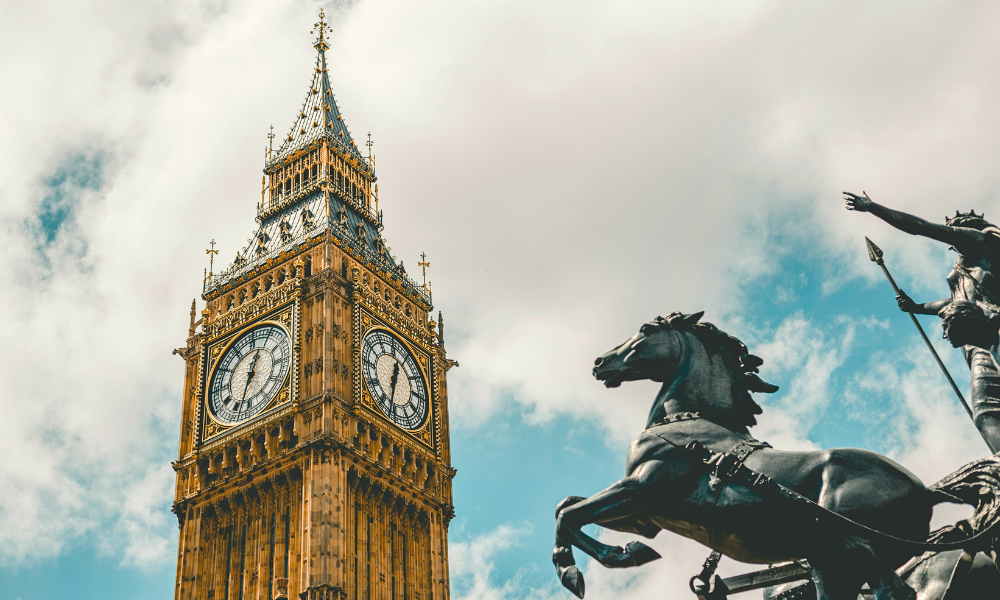
Stepping out from Westminster Abbey, you are immediately greeted by the iconic Big Ben — technically the bell of the Elizabeth Tower — which rises majestically beside the Houses of Parliament, also known as Westminster Palace. This Victorian Gothic masterpiece has been the heart of the United Kingdom’s legislative power since 1859, hosting historic debates and decisions that have shaped British history.
Did you know?
- During World War II, the tower survived bombings that destroyed parts of Westminster, becoming a symbol of resilience and perseverance. Today, its silhouette is recognized worldwide, and hearing Big Ben chime across the Thames is almost a quintessential London ritual.
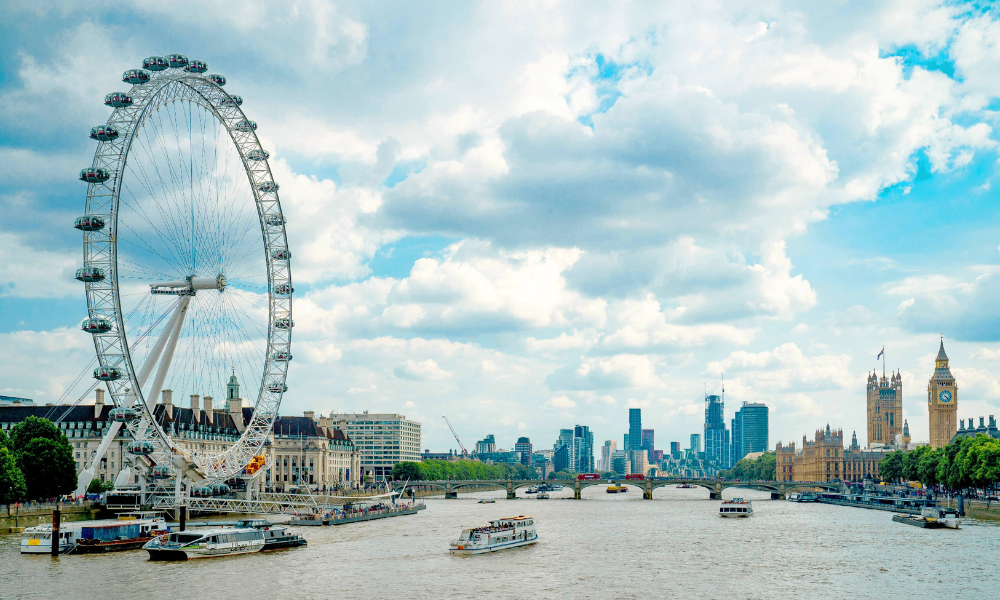
Just steps away from the imposing Big Ben, the Westminster Bridge rises gracefully, connecting the Parliament to the South Bank and offering one of London’s most iconic views. From its midpoint, you can capture both Big Ben and the London Eye in a single, unforgettable frame — a perfect shot that stays in your memory.
London Eye — The City at Your Feet
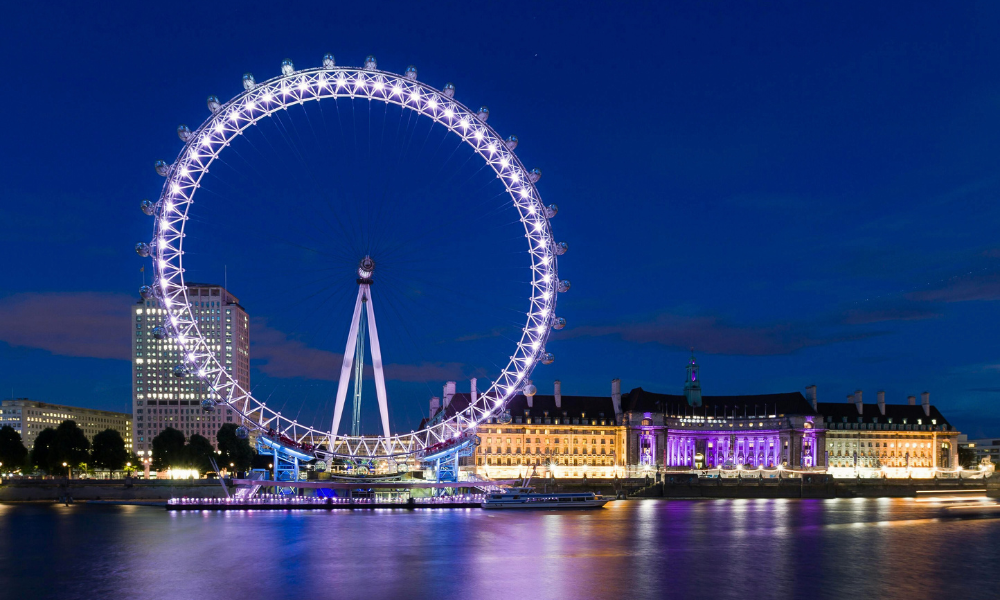
On the opposite bank, the London Eye rises as a modern symbol of the capital. Opened in 2000 to celebrate the new millennium, the wheel stands 135 meters tall and features 32 climate-controlled glass capsules — representing London’s boroughs.
The full rotation lasts about 30 minutes and offers breathtaking views of landmarks like Buckingham Palace, St Paul’s Cathedral, Parliament, and, on clear days, far beyond the Thames.
Interesting fact:
- When it opened, the London Eye was the largest observation wheel in the world and quickly became one of London’s most visited attractions.
Opening hours usually run from 11:00 AM to 6:00 PM (subject to seasonal changes).
> Buy tickets in advance to skip long lines [Click Here], especially in summer and during holidays.
> Visit in the late afternoon for golden-hour views, when the city glows in warm sunset light — perfect for unforgettable photos.
Buckingham Palace — The Heart of the Monarchy
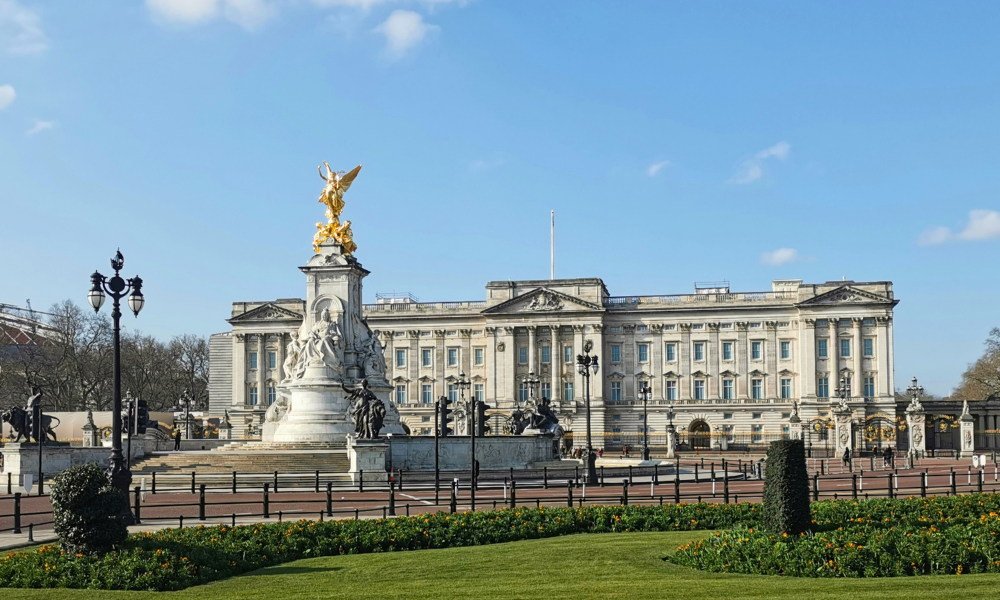
No visit to London would be complete without seeing Buckingham Palace, the official residence of the British monarchy since 1837. This majestic palace, surrounded by meticulously kept gardens, stands as the symbolic heart of the monarchy and has been the stage for countless historic moments. One of the most iconic experiences is the Changing of the Guard, a traditional ceremony that usually takes place at 11:30 a.m. on alternate weekdays (check the official calendar). Soldiers in full uniform march to the rhythm of the military band — a spectacle of discipline, color, and tradition that delights visitors of all ages.
Did you know?
- During World War II, Buckingham Palace was targeted in bombings but endured, maintaining its grandeur as a symbol of strength and continuity for the monarchy.
- The palace contains 775 rooms, including 19 State Rooms, 52 royal and guest bedrooms, 188 staff bedrooms, and 78 bathrooms, showcasing its immense scale and luxury.
- The façade you see today was redesigned in 1913 to the classic appearance we recognize, making it one of London’s most iconic images.
St James’s Park – Gardens, Royal Heritage & Peaceful Views
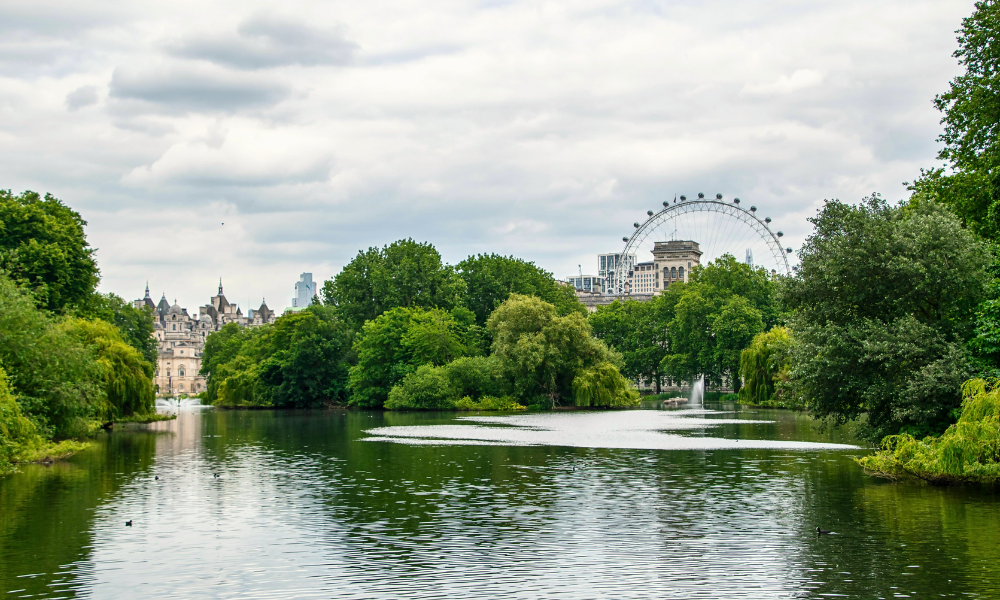
Between Buckingham Palace and Saint James’ Palace lies the charming St James’s Park, London’s oldest royal park. Created in the 16th century by Henry VIII, it combines carefully landscaped gardens, tree-lined paths, and a central lake reflecting the London sky and historic silhouettes around it.
Interesting Fact:
- Near the park is the Princess Diana Memorial, inaugurated in 2004. Designed as a tranquil garden of reflection, it honors the memory of the “People’s Princess.” Many visitors pause here to enjoy the serene atmosphere and reflect on Diana’s lasting impact on the modern monarchy.
Bonus — A Hidden Royal Treasure: Just steps from the park, Saint James’ Palace is less frequented by tourists but carries immense historical significance. Built in 1530 as a residence for Henry VIII, it is still used today for official ceremonies and royal receptions. While the palace does not open its doors to the public, its imposing red-brick façade remains awe-inspiring. Even from the outside, the palace exudes historical elegance and a majestic presence, a living reminder of centuries of royal tradition.
Day 3 – Art, History, and the Vibrant Energy of London
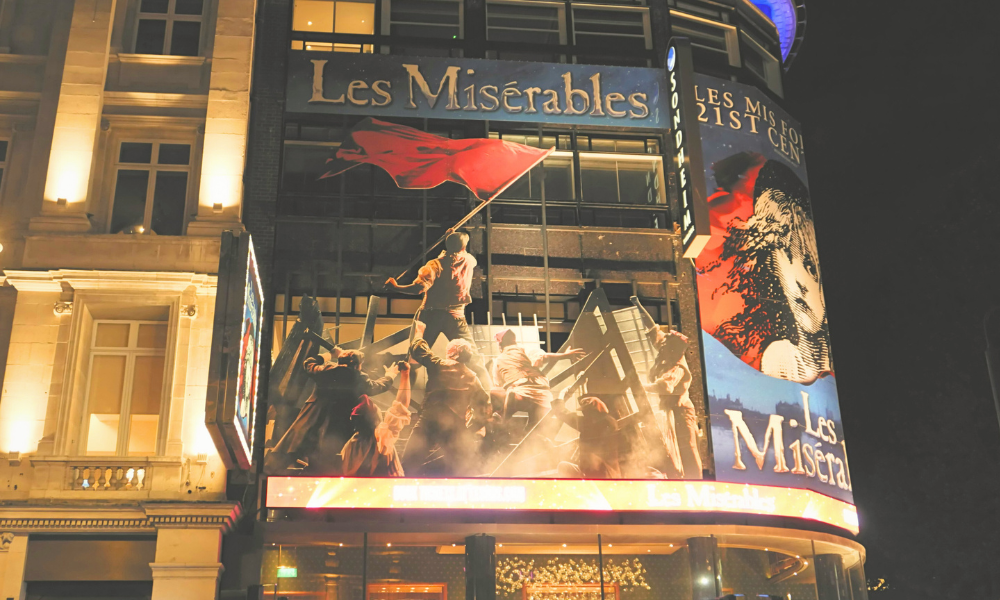
The third day in London invites you to explore the city’s cultural and artistic heart, blending iconic squares, world-renowned museums, and the unique pulse of the West End. It’s a day to immerse yourself in history, admire masterpieces, and feel the urban rhythm of the British capital.
Trafalgar Square — London’s Vibrant Heart
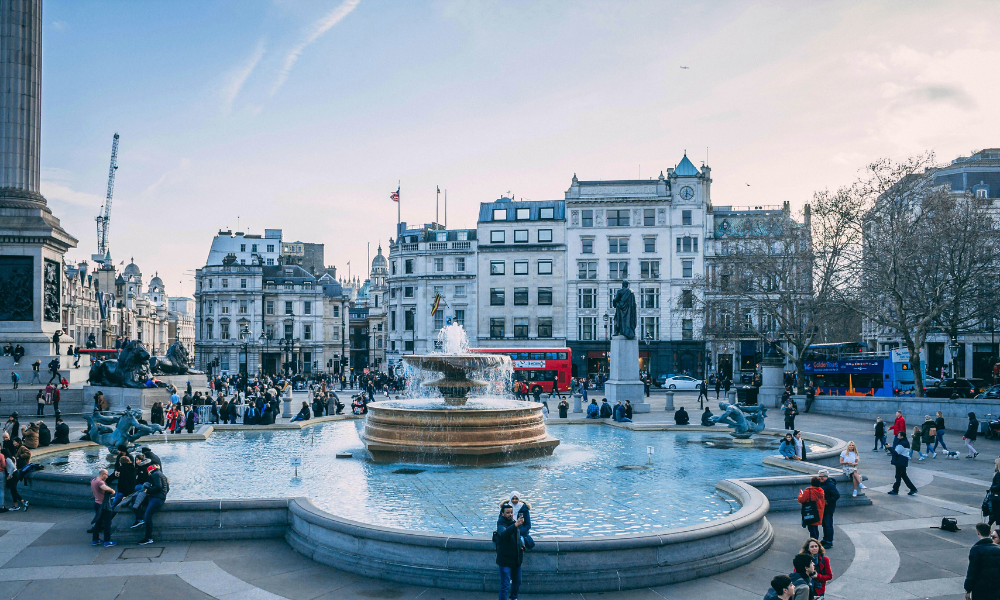
Start your day at Trafalgar Square, one of the most famous squares in the world, inaugurated in 1840 to commemorate the British victory at the Battle of Trafalgar (1805). At its center, the Nelson’s Column rises in honor of Admiral Horatio Nelson, flanked by four imposing bronze lions.
The square is surrounded by historic and cultural buildings, including the National Gallery, and frequently hosts public events, demonstrations, and celebrations.
Fun Fact:
- During Christmas, the square receives a Christmas tree gifted by Norway as a symbol of friendship, a tradition that has lasted for more than 70 years.
National Gallery — Treasures of European Painting
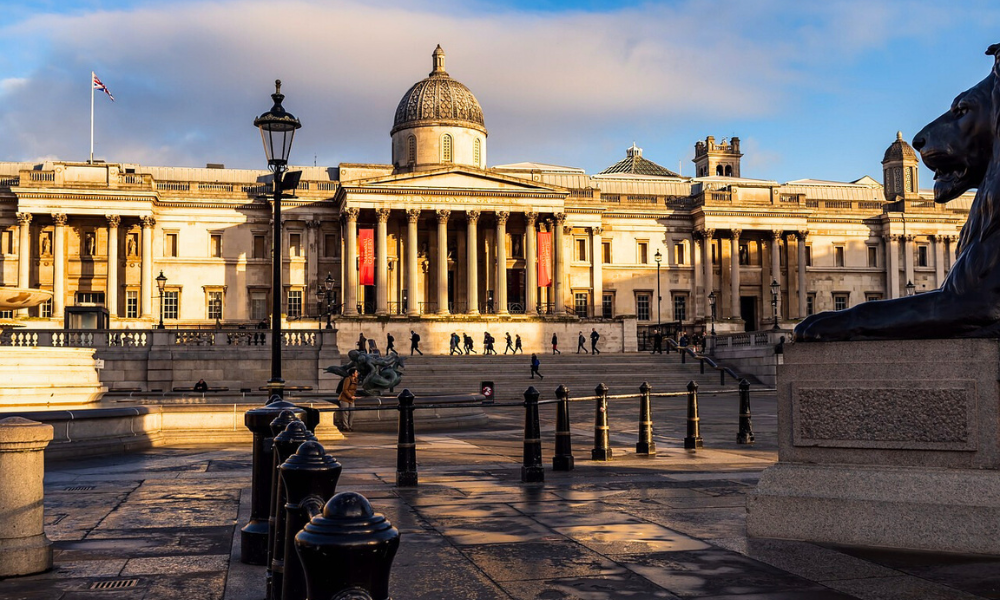
Adjacent to Trafalgar Square, the National Gallery is a true treasure of European art, housing over 2,300 paintings by masters such as Van Gogh, Turner, Botticelli, Rembrandt, and Leonardo da Vinci. Founded in 1824, the gallery was created to make art accessible to everyone and has since become one of the world’s most important cultural institutions.
Historical Insights:
- The National Gallery survived turbulent periods, including World War II, when some of its most valuable works were protected in coal mines and fortified locations across the country.
- Highlights include Van Gogh’s “Sunflowers”, celebrated for its vibrant color, and Leonardo da Vinci’s “The Virgin of the Rocks”, considered one of the most enigmatic and detailed paintings of the Renaissance.
The museum is open daily from 10 a.m. to 6 p.m., with extended hours until 9 p.m. on Fridays.
British Museum — A Journey Through Human History
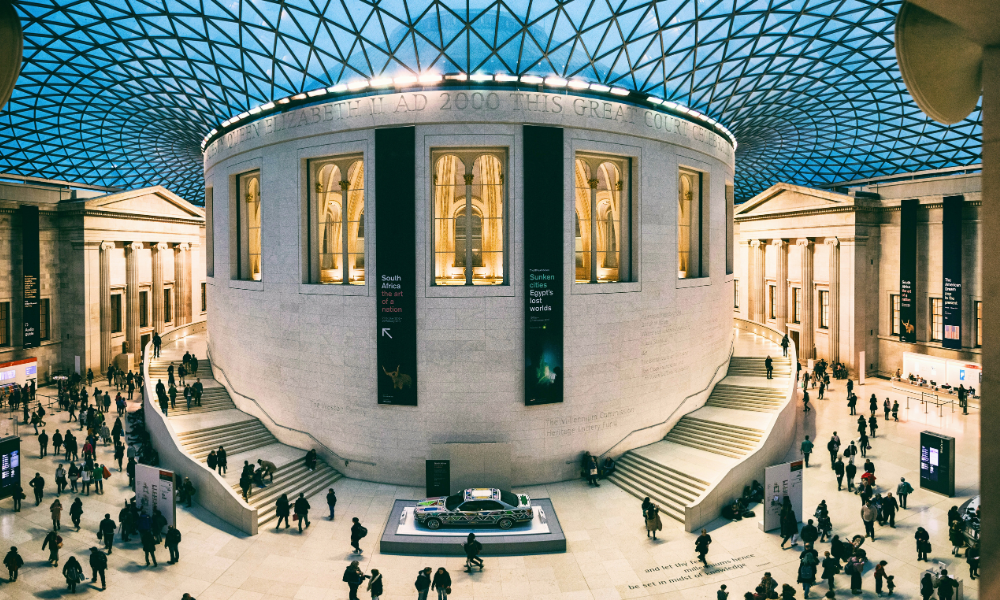
Just a few minutes by tube or a pleasant walk away, the British Museum offers a true journey through the history of humanity. Its collections span millennia, from Ancient Egypt to Classical Greece, Rome, the Middle East, and beyond. Highlights include the Rosetta Stone, Egyptian mummies, Greek sculptures, and artifacts that tell fascinating stories of ancient civilizations.
Founded in 1753, the museum was created to share knowledge with the public and remains one of the world’s most important cultural institutions.
Historical Insights:
- The museum has been at the center of major archaeological discoveries and scholarly debates since the 18th century.
- The Great Court, designed by Norman Foster, is an architectural marvel: a glass-domed atrium transforming the space into a bright, modern environment, contrasting beautifully with the neoclassical grandeur of the original building.
- The museum has appeared in films and series, including “Night at the Museum”, inspiring some scenes, and countless documentaries, reinforcing its status as a cultural icon of London.
The museum is open daily, typically from 10 a.m. to 5:30 p.m., with extended hours on Fridays until 8:30 p.m., perfect for a relaxed visit after daytime sightseeing.
Admission is free, but if you’re a true history enthusiast, book a guide/audio guide [Click Here] to dive deeper into details, uncover fascinating stories, and fully understand the context of each exhibit.
Piccadilly Circus — Lights, Energy, and Motion
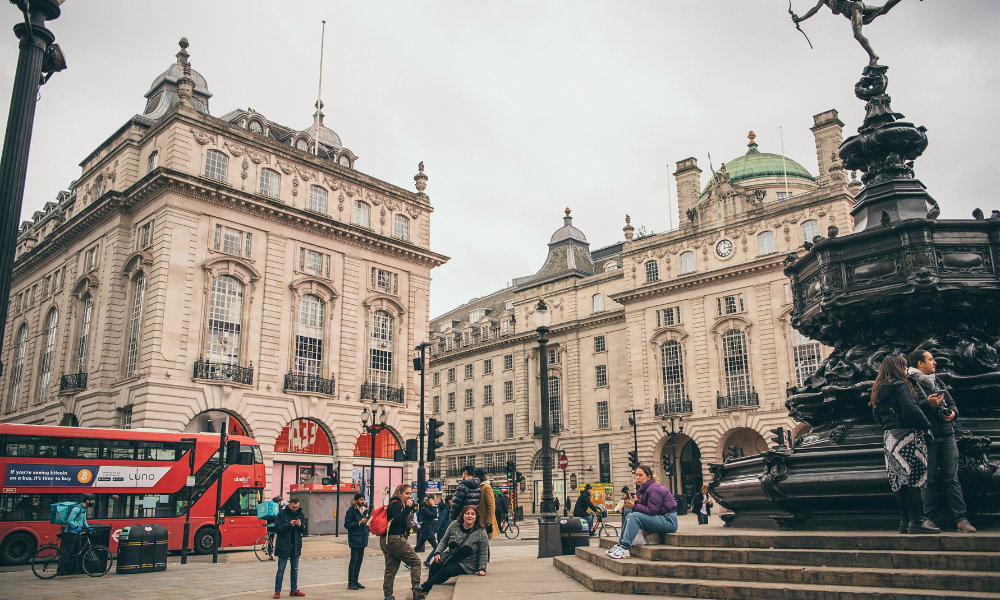
In the early afternoon, head to Piccadilly Circus, the beating heart of the West End. Famous for its bright neon signs, the statue of Eros, and constant motion, the square never sleeps — a true reflection of London’s vibrant energy. Surrounded by shops, theaters, and historic cafés, it’s the perfect place to feel the city’s modern rhythm and capture iconic photos.
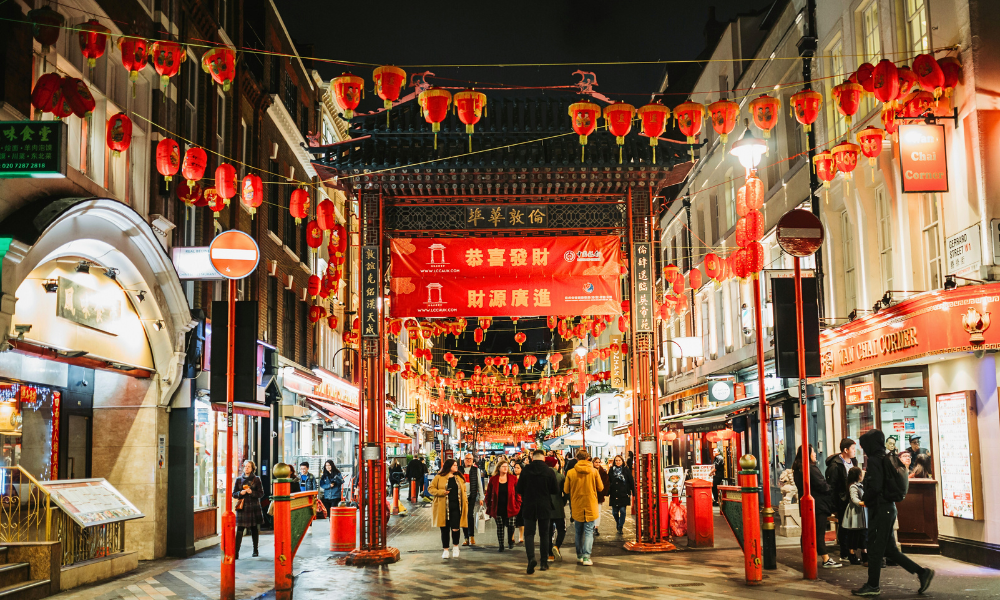
Just a few steps away, immerse yourself in colorful Chinatown, a neighborhood that enchants with red lanterns, ornate gates, and irresistible aromas from authentic restaurants. It’s the perfect spot for a cultural lunch, sampling dim sum, noodles, or traditional Chinese desserts, while enjoying the fusion of Eastern tradition with London’s urban energy.
Soho — Historic Pubs and London’s Vibrant Atmosphere
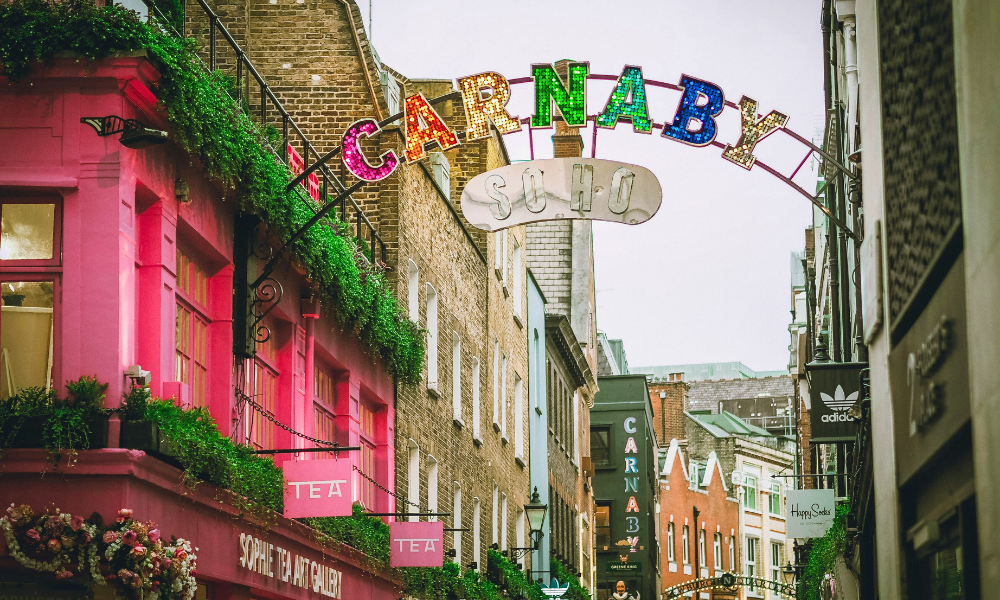
End your day in the lively Soho district, famous for its historic pubs, charming cafés, and dynamic nightlife. Walking through its narrow streets feels like stepping back in time: Soho has long been a hub for artists, writers, and musicians who shaped London’s cultural scene for decades. Every pub tells a story, and every corner holds memories of bohemians who inspired songs and novels.
Bonus / Optional: If you have extra time, consider visiting the famous Madame Tussauds, London’s iconic wax museum. Discover lifelike replicas of celebrities, musicians, historical figures, and even movie icons. It’s an interactive and fun experience, perfect for families, movie buffs, and music fans alike.
To make the most of your visit and skip the lines, book your tickets in advance here. This ensures a smooth experience and more time to explore all areas of the museum.
Day 4 – South Kensington & Scientific Culture
The fourth day in London invites you to explore the city’s rich cultural and scientific heritage, concentrated in South Kensington, an elegant and safe neighborhood perfect for museum lovers, impressive architecture admirers, and even a bit of luxury shopping. Be prepared to walk quite a bit — but also to enjoy relaxing breaks in the surrounding gardens and cafés.
Exhibition Road – London’s Cultural Avenue
Located in the heart of South Kensington, Exhibition Road is one of London’s most prestigious cultural corridors. This elegant boulevard connects some of the city’s most iconic institutions, making it a must-visit for anyone interested in art, science, design, and history. With its wide pedestrian-friendly layout and grand Victorian architecture, the street itself feels like an open-air museum — vibrant, intellectual, and unmistakably London.
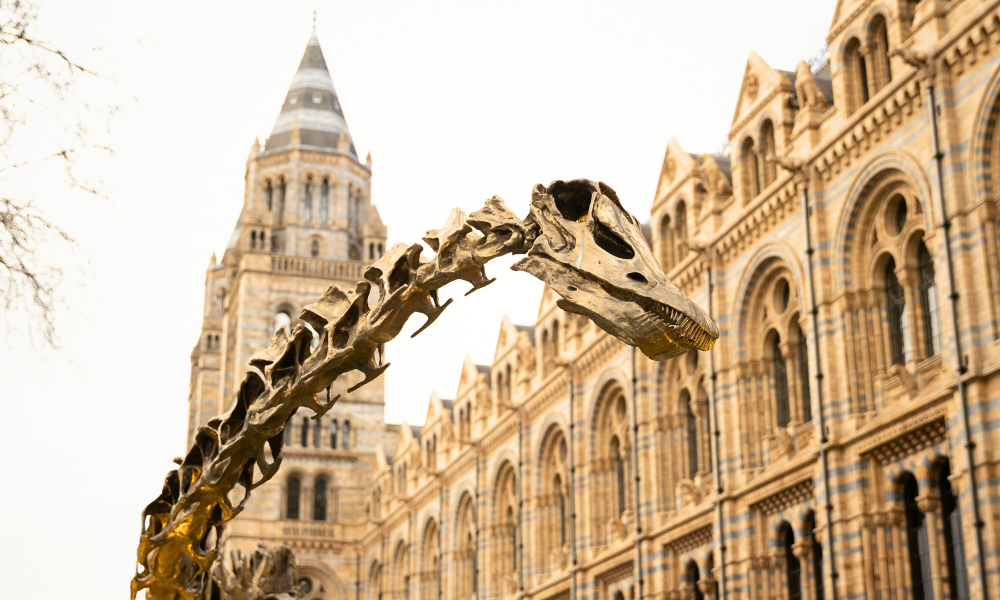
The Natural History Museum is the true highlight of Exhibition Road and one of London’s most breathtaking landmarks. Renowned for its striking neo-Gothic architecture, the museum captivates visitors even before they step inside. Within its grand halls, you’ll find extraordinary collections of fossils, minerals, and taxidermy animals that bring the story of our planet vividly to life. Founded in 1881, it houses more than 80 million specimens, including the iconic Diplodocus dinosaur skeleton, which for decades welcomed visitors with its imposing presence in the central hall.
Fun Fact:
- Beyond the dinosaurs, the museum features an interactive Earth Hall, where visitors can explore earthquakes and volcanoes through immersive experiences. It is also known for displaying rare specimens such as meteorites and even a recently discovered Triceratops fossil.
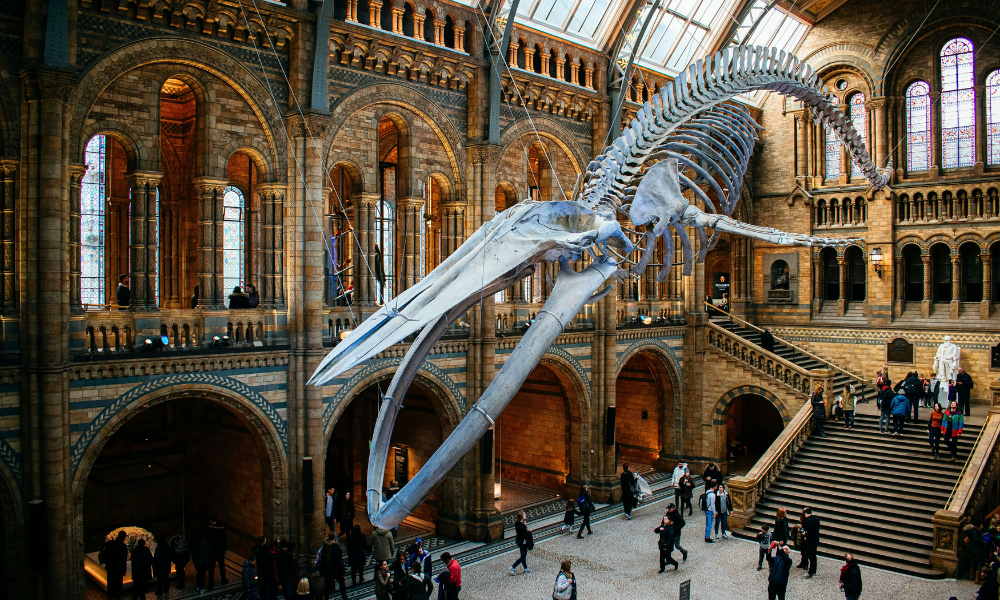
The museum is open daily from 10:00 a.m. to 5:30 p.m., and admission is free. However, depending on the time of year — particularly during school holidays and the European summer — queues can be quite long, especially in the late morning and early afternoon.
Among the many treasures of Exhibition Road, the Science Museum stands out as an unmissable stop. Just steps from the Natural History Museum, it captivates visitors with its fascinating world of discovery, innovation, and hands-on interactive experiences.
Today, it houses one of the most significant scientific collections in the world. The museum explores the story of humanity through innovation — from the Industrial Revolution to space exploration, including breakthroughs in medicine, artificial intelligence, and our understanding of the universe.
Interesting Fact:
- Highlights include the Apollo 10 command module, which orbited the Moon ahead of the historic Apollo 11 landing, and Stephenson’s Rocket, a symbol of the beginning of the modern railway era. The museum also displays one of Charles Babbage’s early computing machines, earning him the title “father of the computer.”
The museum is open daily from 10:00 a.m. to 6:00 p.m. Admission is free, though some special exhibitions may require a ticket.
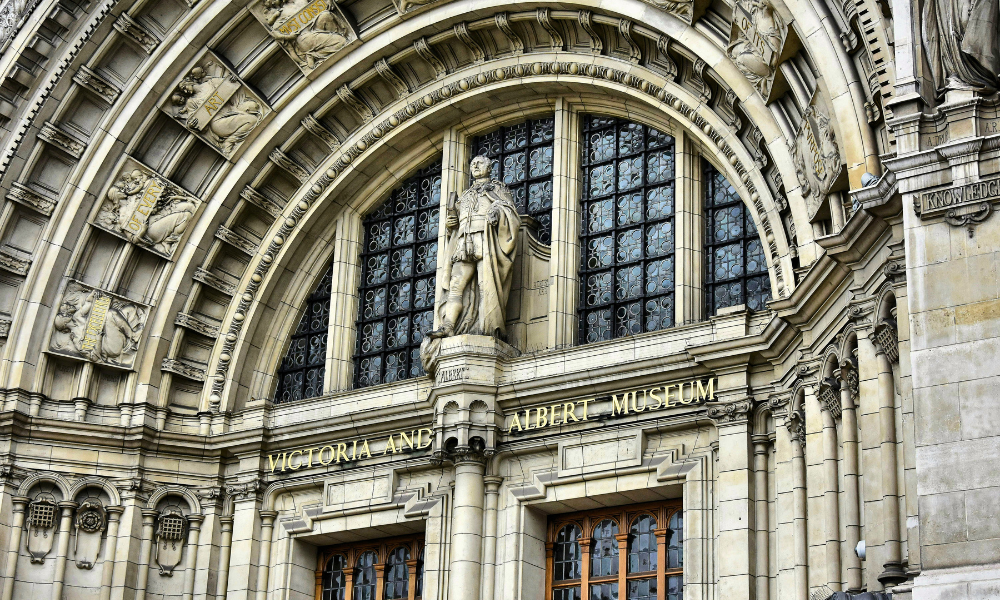
If you have time, don’t miss the Victoria and Albert Museum (V&A), one of the world’s largest and most celebrated museums of art and design, founded in 1852. Its vast collections span centuries and continents — from intricate Asian ceramics to exquisite European haute couture — making it a true paradise for lovers of aesthetics, fashion, and history.
Did you know?
- The V&A has hosted landmark fashion exhibitions featuring designers such as Alexander McQueen and Christian Dior. It also houses beautifully preserves model rooms and historical interiors that vividly illustrate the evolution of design, craftsmanship, and decorative arts over the centuries.
The museum is open daily from 10:00 AM to 5:45 PM.
Kensington Gardens & Hyde Park
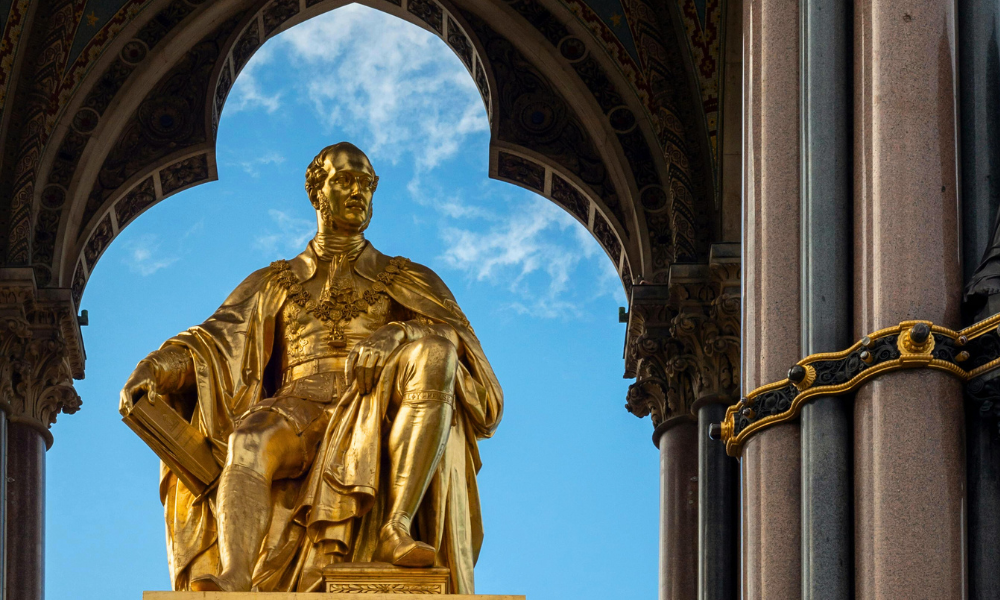
Between one cultural immersion and another, it’s worth slowing down and breathing in fresh air in two of the city’s most iconic green spaces: Kensington Gardens and Hyde Park. Although today they appear as one vast park, Kensington Gardens was once part of the private grounds of Kensington Palace, an official royal residence since the 17th century.
One of the highlights is the majestic Albert Memorial, commissioned by Queen Victoria in honor of Prince Albert. Richly ornamented and adorned with golden details, the monument stands as an impressive tribute filled with historical symbolism.
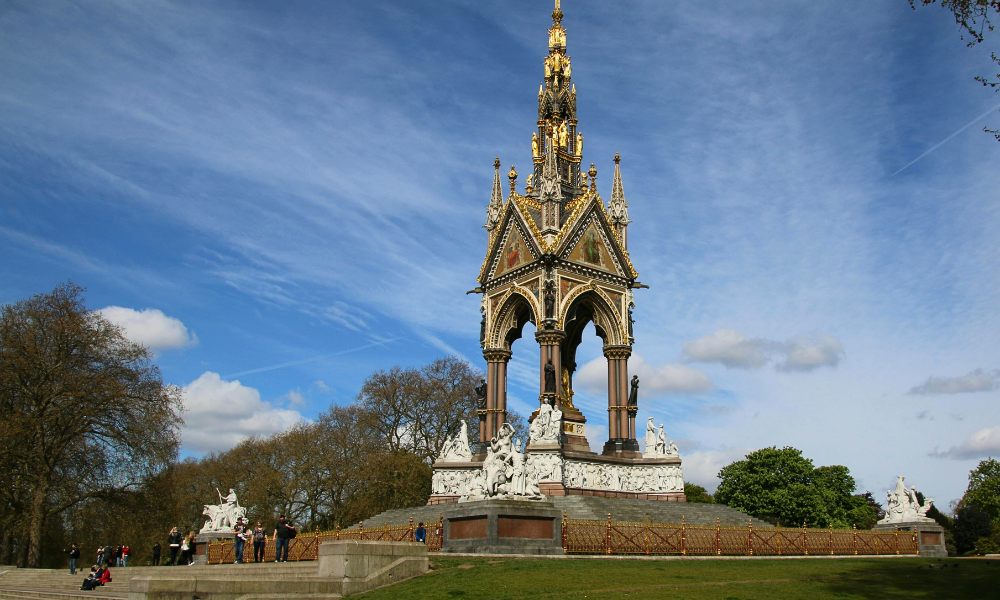
Interesting Fact:
- Within the gardens you’ll find the famous Peter Pan Statue, installed in 1912 at the request of the author J. M. Barrie, who lived nearby. There is also the Diana Memorial Playground, inspired by the world of Neverland — a magical space especially loved by families.
In Hyde Park, you can stroll along the shores of the Serpentine Lake, rent a bicycle, or simply relax while watching street performers and Londoners enjoying their day.
Royal Albert Hall – An Icon of Music and Elegance
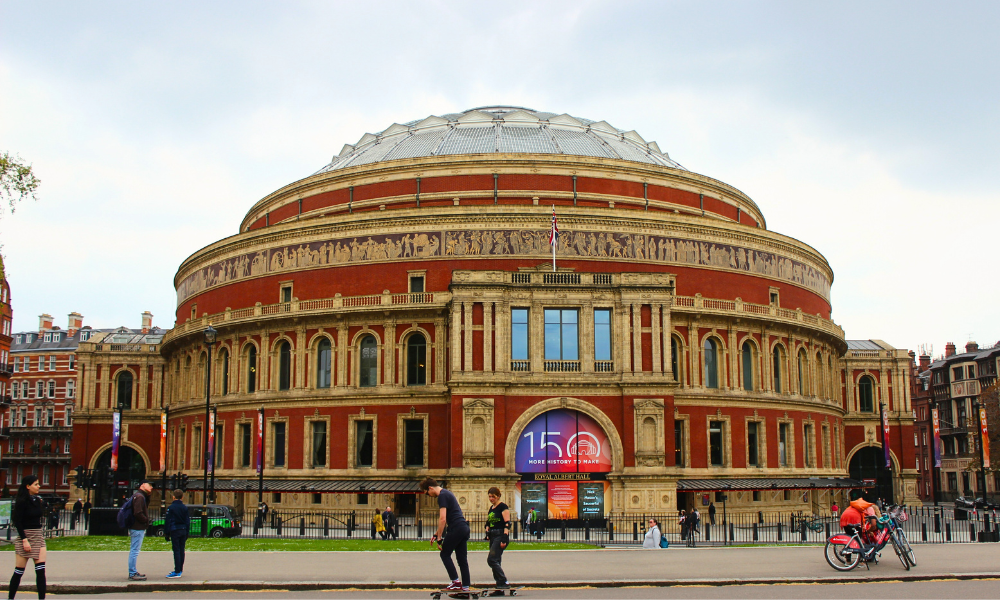
End your day with a truly memorable experience at the Royal Albert Hall, one of the most iconic performance venues in the world. Opened in 1871 by Queen Victoria in honor of Prince Albert, the building stands as a symbol of Victorian cultural grandeur. Its circular architecture is striking from the outside — but once inside, it becomes clear why it is considered one of the most emblematic stages on the planet.
For more than 150 years, the Royal Albert Hall has hosted historic performances by artists such as The Beatles, Adele, and Luciano Pavarotti, as well as symphonic concerts, operas, award ceremonies, and charity events. The atmosphere blends classical elegance with artistic emotion — the kind of place that gives you goosebumps.
The Royal Albert Hall typically offers guided tours daily between 10:00 a.m. and 5:00 p.m., though schedules may vary depending on rehearsals and performances.
Since tour availability is limited — especially during peak season — it’s best to book your tickets in advance [Click Here] to secure your preferred time and avoid disappointment. Reserving ahead ensures this remarkable experience fits seamlessly into your itinerary.
Bonus – Warner Bros. Studio Tour London – The Making of Harry Potter
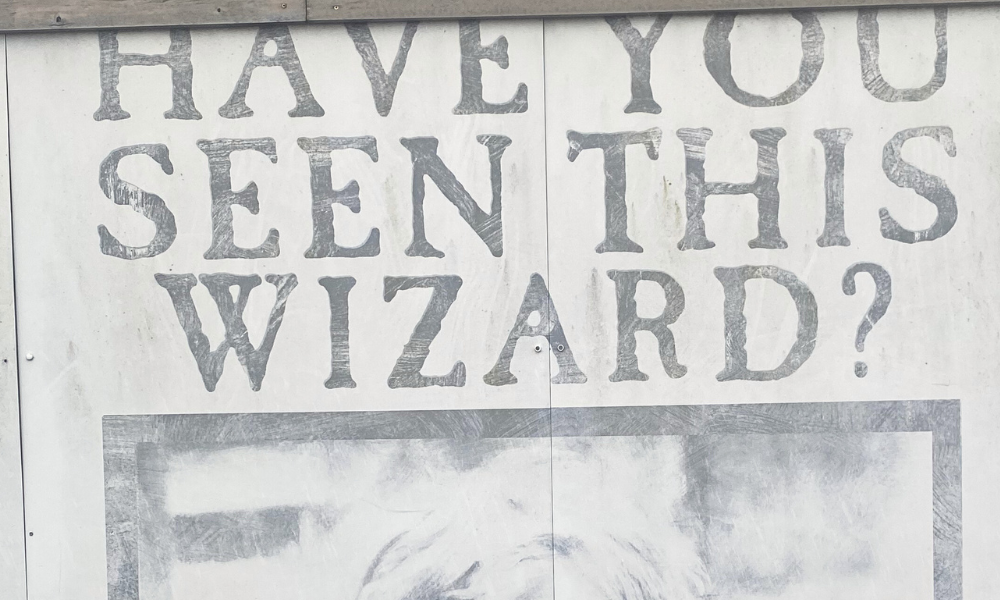
If you have extra days in the city — or if you’re a true Harry Potter fan — the Warner Bros. Studio Tour London – The Making of Harry Potter is easily one of the most unforgettable experiences of the entire trip. This is not a theme park — it’s the original studio where all eight films were actually produced. Here, you step behind the scenes of the wizarding world and discover how Hogwarts was brought to life on screen.
You’ll walk through authentic sets used in the films, including:
- The iconic Great Hall of Hogwarts
- Diagon Alley with its incredibly detailed shopfronts
- Platform 9¾ with the Hogwarts Express
- Dumbledore’s office and the Gryffindor common room
- The breathtaking original scale model of Hogwarts Castle
The tour also showcases original costumes and props used by actors such as Daniel Radcliffe, Emma Watson, and Rupert Grint, allowing you to see up close the intricate details that may have gone unnoticed on screen. Throughout the experience, you’ll learn how Warner Bros. created astonishing special effects, animatronic creatures, and elaborate sets that gave life to the magical universe.
And of course, one of the most anticipated moments of the visit: tasting the famous butterbeer. Creamy, slightly sweet, and served cold, it’s all part of the magic — and yes… it’s delicious.
It’s an immersive, nostalgic, and truly emotional experience — even for those who aren’t die-hard fans. I won’t lie: I’m a huge fan myself, and being there made me feel like a little kid, completely overwhelmed with excitement seeing it all come to life. It was, without a doubt, one of the most unforgettable experiences of my life.
Plan for at least half a day (4–5 hours). Many visitors easily spend 6 hours or more exploring at a relaxed pace, taking photos, and soaking in every detail. If you’re a devoted fan, consider dedicating nearly the entire day to it.
If this experience is on your dream list, the best strategy is to book well in advance to secure your preferred date within your itinerary. Don’t leave it to the last minute.
How to Get to the Studio?

📍 Location: Leavesden, Watford (approximately 32 km from central London)
You have two main options:
- Take a train from London Euston to Watford Junction (around 20 minutes).
- Outside the station, board the official studio shuttle bus (approximately 15 minutes).
- The total journey takes about 1 hour on average.
Several companies offer direct coach transport departing from central London. This is the most comfortable option, ideal if you prefer not to worry about logistics.
To avoid disappointment and secure your preferred date, it’s best to book your experience ahead of time — especially if you’d like the convenience of round-trip transportation from central London. You can check availability and reserve your spot here.
Practical Tips for Traveling to London
Before heading out to explore London, a few practical tips can make your experience smoother, more efficient, and far more enjoyable:
- Buy tickets in advance: With London’s top attractions often selling out, reserving ahead ensures you skip the queues and secure your preferred date and time.
- Documents & ETA: A valid passport is required for all nationalities. Most visa‑exempt visitors now need an ETA (Electronic Travel Authorisation), valid for 2 years or until the passport expires. The fee is around £16 and the application must be completed online via the official UK government website (GOV.UK) at least 72 hours before travel. Always check your country’s specific requirements and the latest ETA fee on the official site before booking.
- Bring a plug adapter: The UK uses Type G plugs (230V), which differ from most European and American outlets. Be sure to pack a suitable adapter to avoid any inconvenience during your trip.
- Safety: London is relatively safe, but remain alert for pickpocketing in very touristy areas, on public transport, and in busy stations. Keep your bag in front of you and stay attentive.
- Churches and palaces: When visiting places such as Westminster Abbey or historic churches, shoulders and knees should be covered. A light scarf is usually sufficient.
- Walk whenever possible: London is an incredible city to explore on foot. Every street, square, and park offers charming surprises. Use public transport mainly for longer distances.
- Public transport: The London Underground (Tube) and buses are efficient and easy to use. To save money, use a contactless debit/credit card or an Oyster Card.
- Clothing & weather: Always bring a light jacket or raincoat — even in summer. Comfortable shoes are essential; you’ll walk a lot.
With good planning, London reveals itself in layers — historic, modern, royal, artistic, and vibrant all at once.
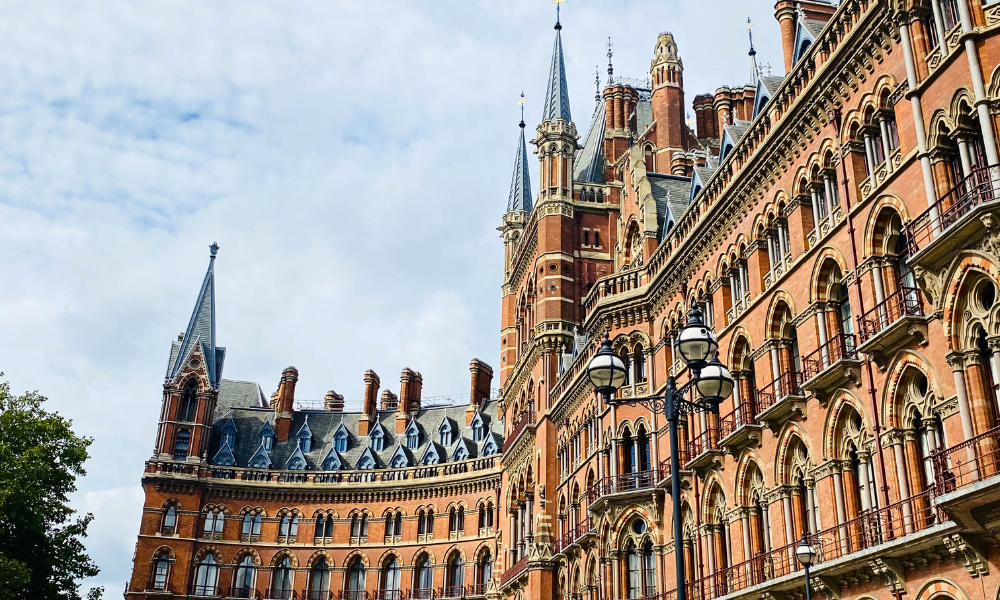
London is not a destination you simply “check off the map.” It is a city to be experienced with an open heart.
In just a few days, you can walk through centuries of history in the morning, have lunch surrounded by flavors from around the world, and end the night watching a spectacular performance in the West End. You may not see everything — and that is perfectly fine. What truly matters is feeling the rhythm of the city, noticing the small details, stepping into a café without looking at the clock, experiencing traditional afternoon tea as a true British ritual, wandering through an unexpected park, and allowing London to surprise you.
If your time is limited, prioritize what genuinely sparks your curiosity and shape your days around your own pace. There is no such thing as the perfect itinerary — only the one that feels right for you. Use these suggestions as inspiration and craft an experience that reflects your personality and travel style.
May this guide be only the first chapter of your own love letter to the capital of the United Kingdom.
And when you hear the chimes of Big Ben marking the hour, or walk along the banks of the River Thames at sunset, may it be more than just a moment — may it become one of the most unforgettable experiences of your life.
Now tell me: what captivated you most about London? Which places have earned a spot on your dream list? Share your plans and experiences in the comments.
Plan Your Trip
For tours, activities, airport transfers, and skip-the-line tickets, we rely on GetYourGuide — a platform we’ve personally used and trust.
We use and recommend Omio.com to book trains, buses, and flights across Europe. It’s a reliable platform that makes comparing routes easy and helps you travel smoothly between cities.
If you’re planning a trip around Europe, you might be interested in these articles:
Discover the Magic of London: 10 Must-Visit Places for Harry Potter Fans
14 Must-Visit Beatles Spots in London + Liverpool: A Musical and Historical Journey
How to Use the Paris Metro: A Complete Guide to Tickets, Passes, and Stations
What to Do in Paris in 5 Days — A Complete Itinerary for the City of Light